




Weekend Cabin Trip Packing Checklist for Cold Weather
A practical packing guide for a chilly cabin weekend, covering layers, footwear, food, safety gear and the small comforts that make a cold-weather getaway easier.
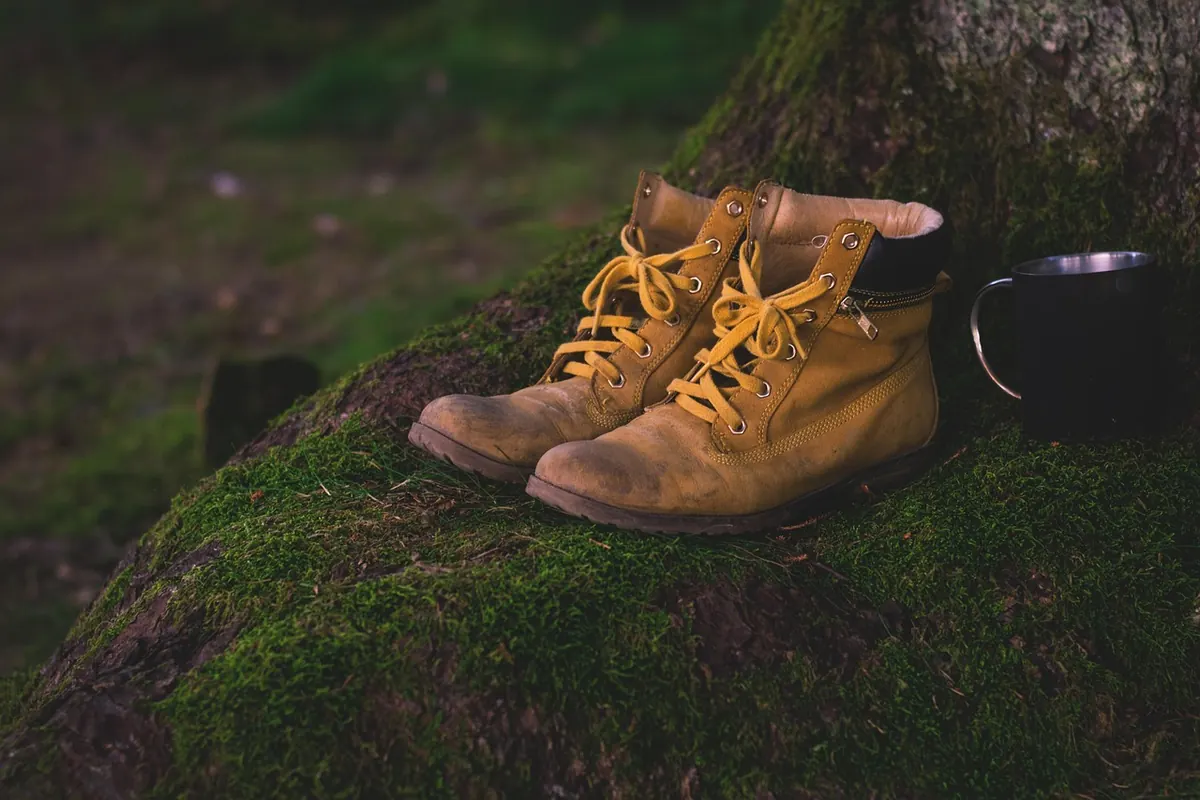
The drive up is always the same. You leave the city in a light jacket, and by the time the gravel road turns to packed snow, the dashboard thermometer has dropped fifteen degrees. A cabin in cold weather is a genuinely good thing — wood smoke, long dinners, cards on the table at ten o'clock — but it punishes careless packing harder than almost any other trip. The nearest store is usually further than you think, and the cabin itself is often colder than a house, especially in that first hour before the stove catches. Here is what actually earns its place in the bag.
Dress in Layers, and Bring One More Than You Think
Cold-weather cabins are not uniformly warm. Bedrooms down the hall from the stove can sit near fifty degrees overnight, and the bathroom floor is a small act of courage at seven in the morning. Layers let you handle every room and every hour without packing a separate outfit for each temperature.
- Base layer: merino wool or a synthetic blend, top and bottom. Skip cotton against your skin — it soaks up sweat and turns cold the moment you stop moving.
- Mid layer: a fleece or wool sweater you would happily wear indoors. Bring two.
- Outer layer: an insulated jacket plus a wind- and water-resistant shell. On a wet, windy day the shell does more work than the puffy coat.
- Accessories: a hat you don't mind ruining, a neck gaiter, and two pairs of gloves — thin liners for zippers and firewood, thicker ones for walking.
- Socks: wool, one pair per day, plus two spares. Cold feet end more evenings early than anything else.
Then add one set of clothes that has nothing to do with being outdoors: soft pants, a t-shirt, a hoodie. You will want it after a shower, and it turns the cabin from a base camp into somewhere you're actually staying.
Footwear and the Entryway Problem
Two pairs of shoes, minimum. Insulated boots with real tread for outside, and something soft for inside — camp slippers, thick socks with a rubber sole, whatever you'll wear on a cold wooden floor. Cabins almost always have a small entryway pile of wet boots, and once yours are soaked through, they stay that way until morning.
Small things that save a wet trip
A plastic bag or a shallow bin for wet gloves and socks. A boot dryer if you own one and have room. And if snow is in the forecast, throw a folding shovel and an ice scraper in the trunk before you leave — the last hundred yards of a cabin driveway is where most weekends go sideways.
Food, Coffee, and the Nearest Store
Cabin kitchens vary wildly. Some have a full range and a coffee grinder; others have a two-burner camp stove and one dented pot. Ask the owner or host what's actually there, and ask specifically about the coffee maker, a can opener, a corkscrew, and whether the water is drinkable.
Ask before you shop, not after. A five-minute message about the kitchen saves an hour of driving and a dinner of peanut butter.
Cook once at home and reheat at the cabin. A pot of chili, a tray of lasagna, or a bag of frozen soup travels well in a cooler and means you spend the evening by the fire instead of at the stove. Pre-chop onions and peppers, portion out spices into small bags, and bring the oil, salt, and coffee you actually like — cabins tend to have ancient salt and no filters.
Snacks matter more than you'd expect. Cold air and hiking make people hungry, and a cabin with no television runs on food and conversation. Bring crackers, cheese, nuts, chocolate, and something for the card table.
Don't forget
- Two gallons of drinking water if the cabin runs on a well or the power is unreliable
- Coffee, filters, tea, and a backup method like a pour-over cone
- Paper towels, dish soap, sponges, and a trash bag or two
- Foil, a lighter, and matches in a zip-top bag — a wet matchbook is useless
Store food in sealed containers or the cooler, never left out on the counter. A cabin in the woods has mice, and they are not shy.
The Safety Kit You Hopefully Never Open
You are further from help than usual, and cell service at the cabin may be nonexistent even if it's fine on the highway. Pack for the small stuff and prepare for the unlikely stuff.
- A headlamp for every person, plus spare batteries. Candles are not lighting.
- A basic first aid kit: bandages, antiseptic, pain reliever, tweezers, blister pads.
- Fire starters, kindling, and dry wood if the cabin's supply is uncertain.
- A power bank and a car charger. Cold drains phone batteries quickly.
- A blanket, warm gloves, and a bag of sand or kitty litter in the car for traction.
- Any prescription medication in its original container, plus a few extra days' worth in case you get snowed in.
Two more things worth checking before you go. First, if the cabin is heated by a wood stove, propane, or kerosene, confirm there's a working carbon monoxide detector — bring a battery-powered one if you're not sure. Never run a generator, grill, or camp stove indoors. Second, if anyone in the group has a health condition that cold, altitude, or distance from a hospital could affect, have them check with their doctor about what to bring. That's a conversation worth having before the trip, not during it.
Comfort Items That Are Not Indulgences
People who pack only "essentials" are usually the ones shivering at nine o'clock and asking if anyone brought a deck of cards.
- Your own pillow. Cabin pillows are a gamble.
- One genuinely warm blanket, even if the beds have linens.
- Slippers, a robe, and a second pair of wool socks for sleeping.
- Earplugs. Wood stoves tick, floors creak, and someone always wakes up early to start the fire.
- A lantern or two — battery-powered light you can carry is far better than one overhead bulb.
- Books, cards, a board game, and anything downloaded in advance. Assume no signal.
The Night Before: Load the Car, Then Relax
Pack the car the night before, not the morning of. Put the boots, blankets, and snacks within reach rather than buried under luggage, and keep the coffee thermos where you can grab it without unpacking anything. Text one person your route and expected arrival time, especially if the drive ends on back roads.
Then close the trunk and stop adding things. The trip works best when you've covered warmth, food, light, and a way to get unstuck — everything past that is just extra weight, and the whole point of a cabin weekend is to arrive with less than you left with.
Photo: LUM3N / Pixabay