

I Did a 30-Day No-Spend Challenge: What Surprised Me
A month without non-essential spending taught me more about habit and boredom than about money — and the failures were the most useful part.

Thirty days with no takeout, no new anything, and none of the quiet little purchases I normally make without thinking twice. I picked my window carefully: no birthdays, no travel, no weddings, nothing on the calendar that would turn the experiment into punishment. The rules went into a note on my phone, and I read them every morning like someone who fully expected to break them by Wednesday.
I broke them. Twice, and then a third time. The surprises weren't in the slips, though. They were in what I learned about the gap between what I spend and what I actually notice.
The Rules Did More Work Than the Willpower
On the last night before day one, I wrote down four things and refused to negotiate with them later:
- Allowed: rent, utilities, groceries, transit and gas, prescriptions, insurance, minimum debt payments.
- Not allowed: takeout, coffee shops, clothes, books, gadgets, home stuff, gifts. No exceptions for "it's on sale."
- Paused: three subscriptions I'd been paying for without using.
- One escape hatch: a small buffer for genuine emergencies only, not for tired evenings.
Writing it down felt bureaucratic. It turned out to be the whole trick. Every no-spend decision I'd normally make at 6 p.m. with my phone in my hand had already been made in advance, by a version of me who wasn't hungry or annoyed. Willpower is unreliable at 6 p.m. A note on your phone is not.
Week One Felt Easy, Which Was the Warning
The first week was almost fun. I cooked every night, and I found food in the pantry I'd forgotten about entirely: a bag of rice, three cans of chickpeas, a bag of frozen dumplings at the back of the freezer. Saturday arrived with nothing to run out and buy, and I suddenly had two hours I'd normally spend deciding, driving, parking, and coming home.
That's the trap. Week one feels like discipline, and it's actually novelty. Novelty is free. It runs out somewhere around day ten.
The Middle Wasn't About Money at All
What I expected to be hard: resisting big purchases. What was actually hard: the 4 p.m. slump, when I wanted an iced coffee not because I was thirsty but because it was something to do with my hands. Boredom was the trigger, every time. Not desire.
The social side was harder than the financial side. A friend invited me to dinner in week three, and I said yes, then spent the first ten minutes doing math in my head. I ordered water and the cheapest thing on the menu and felt strange about it. When I told her why, she laughed and said she'd been doing something similar for months. Nobody at the table cared. I was the only one keeping score.
Decision fatigue is real, and I hadn't budgeted for it
Removing spending as an option meant I had to plan instead — meals, snacks, coffee, the whole day. Planning takes energy. On the days I hadn't planned, I lost. That wasn't a character flaw. It was a scheduling problem, and it had a scheduling fix.
Where I Failed, and What I Did About It
Three slips, in order of honesty:
- Day 14: a small kitchen gadget. Twelve dollars, bought in maybe ten seconds. I've used it twice.
- Day 19: coffee with a friend. I told myself it was relationship maintenance. It was a coffee. I bought it, and I counted it.
- Days 24 and 25: takeout twice. A rough week at work, and cooking was the thing I dropped first.
The important part wasn't the slips. It was that I didn't restart the clock. Restarting is how a challenge quietly becomes a reason to quit — one bad day and you've "failed," so why bother finishing? Instead I wrote each one down and finished the month at 27 out of 30 days. That's a real result, and pretending otherwise would have taught me nothing.
What Actually Surprised Me
- Most of my spending was convenience, not pleasure. The things I missed were almost all about removing a small annoyance, not about enjoying something.
- I forgot what I wanted. I kept a list of temptations. A week later, I couldn't remember three of the top five items on it.
- The number was the least interesting part. Knowing what I saved was nice. Knowing when I spend and why was what actually changed my behavior.
- I didn't miss the subscriptions. Two of the three are still cancelled. That's a permanent change from one month of paying attention.
What I Kept Afterwards
I didn't stay in no-spend mode, and I don't think that's the point. I kept four habits: a 24-hour wait on any non-essential purchase over a modest amount; a Sunday evening meal plan so weeknights don't depend on willpower; a small monthly "whatever" fund so I'm not negotiating with myself over every coffee; and a hard look at recurring charges every few months.
If You Want to Try It
- Pick a boring month. Holidays and travel months will teach you about logistics, not habits.
- Write the rules before day one, including what counts as essential and how much of an escape hatch you get.
- Decide in advance what happens when you slip. My answer: log it, keep going, don't restart.
- Track what you wanted to buy, not just what you saved. The temptation list is the useful document.
- Plan for your specific spending hours. Mine was late afternoon. Yours might be Friday night. Have something else to do in that window.
One honest note: if you're doing this because you're behind on bills or carrying debt that's growing, a no-spend month is a good first step but not a plan. A nonprofit credit counselor or a fee-only financial planner can look at the whole picture with you. That's a bigger conversation than a blog post can have.
Thirty days didn't make me frugal. It made me awake to about a dozen small decisions I'd been making on autopilot for years. That turned out to be worth more than the savings — though the savings were nice too.
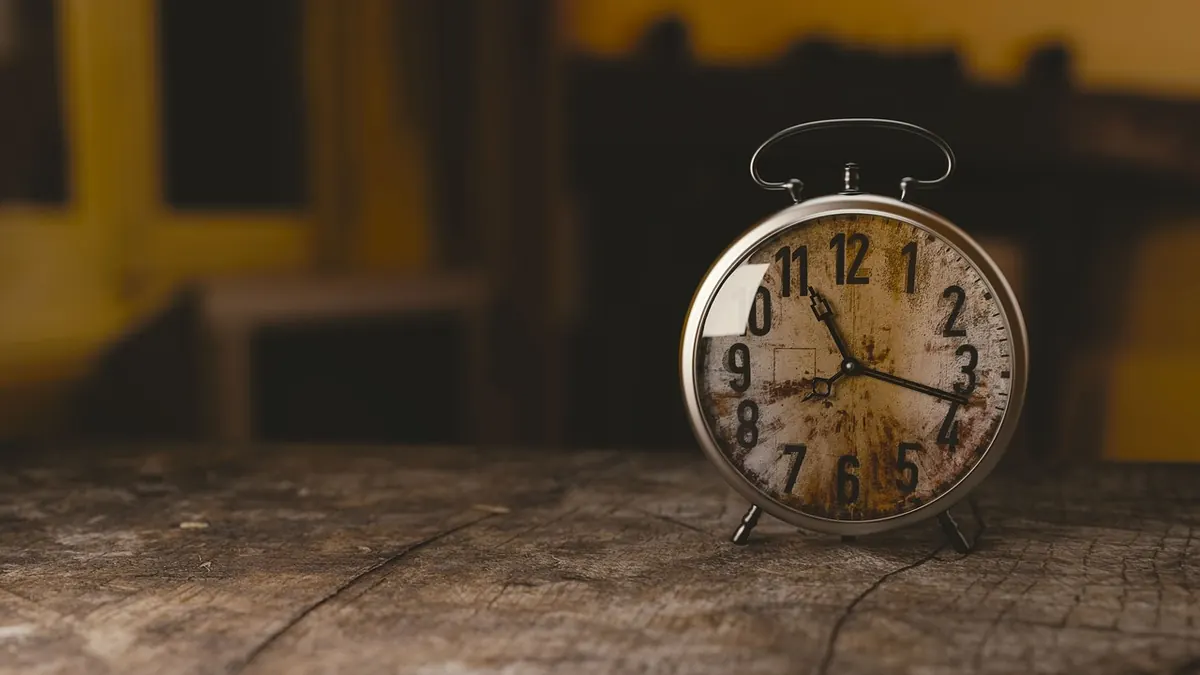
Photo: LinetteSimoes / Pixabay